Semi Truck & Commercial Vehicle Title Loans – Fast Cash for Big Rigs
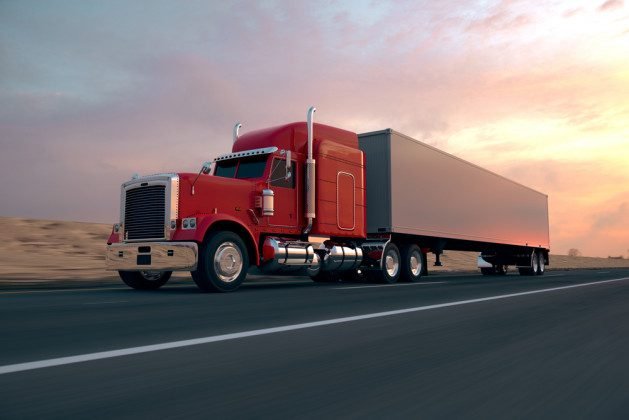
If you own a big rig, semi-truck, or other commercial vehicle and need fast cash, a semi truck title loan or commercial vehicle title loan could be the solution. These loans allow you to use your vehicle’s title as collateral to access funds quickly, without selling your truck or halting operations.
At TFC Title Loans, we act as your title loan broker, connecting you with a nationwide network of licensed lenders. Our lenders comply with all state and federal regulations, ensuring you get the best loan terms and lowest monthly payments possible.
What is a Semi Truck Title Loan?
A semi truck title loan is a secured loan that uses your commercial vehicle as collateral. The lender holds your truck’s title until the loan is fully repaid, while you continue to operate your vehicle.
Other names for this type of loan include:
- Commercial vehicle title loans
- Big rig title loans
- Commercial truck title loans
Benefits:
- Quick access to cash for emergency expenses
- No reliance on credit score – approval is based on vehicle equity
- Flexible repayment options tailored to your business
- Maintain operation of your truck while repaying the loan
“Big rig title loans can be a lifeline for truck owners in need of fast cash. They provide a practical solution without the lengthy approval process of traditional loans,” says Daniel Joelson, consumer finance expert.
For related loans, see our Car Title Loans, Motorcycle Title Loans, and Title Pawns & Emergency Title Loans Guide pages.
How Semi Truck & Commercial Vehicle Title Loans Work
- Application – Apply online or by phone with details about your vehicle and personal information.
- Document Submission – Provide your commercial vehicle title, driver’s license, proof of insurance, and proof of income. Business registration documents may also be required.
- Loan Evaluation – The lender assesses your truck’s value based on make, model, year, condition, and mileage.
- Approval & Funding – Receive approval and funds, often within 24-hours. Keep using your vehicle while repaying the loan.
- Repayment – Follow the agreed-upon repayment schedule. Early repayment may be allowed without penalties, depending on the lender.
For a more detailed application process, see our Apply for a Title Loan page.
Eligible Commercial Vehicles
Most types of commercial vehicles can qualify:
- Semi-trucks / big rigs / tractor-trailers
- Box trucks / delivery trucks
- Platform trucks / car haulers
- Dump trucks
- Specialty commercial vehicles
Requirement: The vehicle must be fully paid off with a clear title in your name.
Loan Amounts & Terms
- Loan amounts typically range from 25% to 80% of the vehicle’s wholesale value
- Short-term repayment (usually 24–48 months), with options to extend depending on lender
- Funds can be used for:
- Repairs and maintenance
- Fuel and tolls
- Equipment purchases
- Hiring drivers or staff
- Marketing and business growth
- Cash flow management
Required Documents
To streamline the process, gather:
- Government-issued ID
- Vehicle title (lien-free)
- Proof of insurance
- Proof of income or financial statements
- Commercial Driver’s License (if operating the truck)
- Business registration documents (if applicable)
Risks & Considerations
- Repossession Risk: Failure to repay may result in the lender taking your vehicle.
- Interest Rates: Secured loans have lower rates than unsecured alternatives, but rates can still be high.
- Financial Assessment: Ensure you can meet repayment obligations to avoid jeopardizing your business.
Daniel Joelson: “Commercial vehicle title loans can be a valuable resource for business owners needing quick funds. However, it’s important to carefully review the terms to protect essential business assets.”
Refinancing & Title Loan Buyouts
If you already have a semi truck title loan or another commercial vehicle loan, refinancing can help you:
- Lower monthly payments
- Reduce high interest rates
- Access additional funds if equity remains
This is also called a title loan buyout and can help improve cash flow while keeping your truck on the road.
Learn more about Refinancing Your Title Loan.
Frequently Asked Questions
Visit our title loan FAQ page.
Q1: Can I keep using my truck during repayment?
Yes, you retain possession while the lender holds your title.
Q2: Can I get a loan with bad credit?
Yes, most commercial vehicle title loans prioritize vehicle equity over credit history.
Q3: How quickly can I get funding?
Approval and funding can occur in as little as 24-hours.
Q4: What vehicles qualify?
Trucks must be fully paid off with a clear title. Eligible vehicles include semi-trucks, tractor-trailers, box trucks, and specialty commercial vehicles.
Q5: Can I refinance an existing loan?
Yes, refinancing can reduce payments or provide additional funds.
Q6: Are there upfront fees?
No application fees with TFC Title Loans. Always confirm fees with your lender.
Alternatives to Commercial Vehicle Title Loans
- Personal Loans: Traditional bank or credit union loans
- Business Loans: May offer better rates for commercial purposes
- Selling the Vehicle: Provides funds but forfeits ownership
Get Your Commercial Vehicle Title Loan Today
With TFC Title Loans, you can get approved for a big rig or commercial truck title loan quickly and efficiently. Our nationwide network ensures you get competitive rates, flexible repayment terms, and funds in your account fast.
For related loan options, check:
- Car Title Loans
- Motorcycle Title Loans
- Online Title Loans
- Apply for a Title Loan
- Refinancing Your Title Loan
Contact us today to access the funds you need to keep your trucking business running smoothly.
Big Rig Title Loans: requirements, costs, and borrower checklist
This section expands the borrower guidance for big rig title loans so applicants can compare eligibility, documentation, repayment risk, and alternatives before submitting a request. TFC Title Loans may connect applicants with partner lenders or service providers. Approval, loan amount, rates, fees, funding time, and repayment terms vary by lender, applicant, vehicle, title status, and state requirements.
Editorial and compliance note: This product guide was reviewed on June 23, 2026. It is educational information, not a loan offer or guarantee of approval. Always review the lender disclosures, APR, finance charge, payment schedule, default terms, and total repayment amount before signing.
What lenders may review
| Review area | Why it matters | What to prepare |
|---|---|---|
| Commercial truck title, mileage, condition, usage, and equity | Helps estimate collateral value and available equity. | Year, make, model, mileage, condition, photos, registration, title, or payoff details if requested. |
| Identity and contact details | Used for applicant verification and communication. | Government ID, current address, phone number, and email. |
| Title or ownership status | Shows whether the asset can be used as collateral. | Title in your name, lienholder details, or payoff information if another lien exists. |
| Income or ability to repay | Lenders may review whether repayment appears manageable. | Pay stubs, bank statements, benefit statements, business income records, or another accepted proof source. |
When this product may or may not fit
A big rig title loan may be considered by truck owners or operators who need to compare secured funding against commercial vehicle equity.
This may not fit borrowers whose truck is essential for income and who cannot manage the payment schedule without risking the vehicle. Because this type of borrowing is secured by an asset, missed payments can create serious consequences, including default and possible loss of the collateral depending on the agreement and applicable law.
Costs and repayment questions to compare
- What is the APR and total finance charge?
- What is the total repayment amount if every payment is made as scheduled?
- Are there processing, lien, title, late, returned-payment, or payoff fees?
- How long is the repayment term, and when are payments due?
- What happens if a payment is late or missed?
- Can the loan be paid off early, and does early payoff change the total cost?
Safer comparisons before applying
Commercial vehicle financing decisions can affect business cash flow, insurance, operating capacity, and income. Compare lower-risk options first when available, including credit union loans, payment plans, employer advances, hardship programs, family support, or selling unused items. If you continue with a title-secured product, borrow only what you can reasonably repay and keep copies of every disclosure.
State and local availability
Title-secured lending rules vary by state. Use the state guides and local pages below to compare requirements, availability, and borrower considerations in your area.
- California title loans
- Alabama title loans
- Arizona title loans
- Florida title loans
- Georgia title loans
- Illinois title loans
- Indiana title loans
- Kentucky title loans
- Michigan title loans
- Mississippi title loans
- Ohio title loans
- Tennessee title loans
- Texas title loans
- Virginia title loans
Related title loan resources
- Car title loans
- Online title loans
- Pink slip loans
- Title loan refinancing
- Car equity loans
- Title loan calculator
- Title loan locations
- Apply for a title loan
Frequently asked questions
Can I start the request online?
Yes. You can start with an online request, but additional documentation, lender review, vehicle or asset verification, and approval steps may still be required.
Does approval depend only on credit?
No. Credit may be reviewed, but lenders may also consider collateral value, equity, title status, income, state rules, and the ability to repay.
What should I read before signing?
Read the APR, finance charge, fees, payment schedule, total repayment amount, default terms, repossession or collateral provisions, and payoff rules before accepting any offer.
How to compare big rig title loans with other options
Before choosing big rig title loans, compare the product against unsecured personal loans, credit union small-dollar loans, payment extensions, hardship programs, employer advances, and selling an unused vehicle or asset. A title-secured product may be faster to request, but speed should not be the only decision factor. The most important comparison is the total repayment amount, including interest, finance charges, fees, and any cost that applies if a payment is late or returned.
Borrowers should also compare what happens if the plan does not go perfectly. Ask whether the lender offers payment reminders, grace periods, early payoff options, refinancing, extensions, or hardship communication channels. A lower payment can still be expensive if the loan runs longer than expected, and a larger loan amount can create more pressure if income changes during the repayment period.
| Comparison point | Question to ask | Why it matters |
|---|---|---|
| Total cost | What will I repay in dollars, not just APR? | Shows the practical cost of the loan. |
| Payment schedule | Are payments weekly, biweekly, monthly, or due in one lump sum? | Helps match the loan to income timing. |
| Collateral risk | What can happen to the vehicle or asset after default? | Clarifies the most serious downside. |
| Early payoff | Can I pay early, and are there fees or savings? | Shows whether fast repayment can reduce cost. |
| Alternatives | Have I checked lower-risk borrowing or payment-plan options? | Prevents using a secured product when a safer option exists. |
Decision checklist before submitting a request
- Confirm the title, registration, or ownership documents are accurate and in your name where required.
- Estimate a payment amount that leaves room for rent, utilities, insurance, fuel, food, and other essentials.
- Read the APR, finance charge, fees, due dates, late-payment rules, and default language before signing.
- Keep a copy of all disclosures, the repayment schedule, and lender contact information.
- Use the smallest amount that solves the immediate need instead of borrowing the maximum offered.